Sod Not Rooting? How to Fix Weak Roots in 21 Days
Sod not rooting is one of the most stressful problems a new lawn can have, because the money is already spent and the grass still looks like a green carpet nobody fastened down. In Brevard County, the gap between sod that is settling in and sod that is quietly failing can be only a week or two, and the early signs are easy to miss if you do not know what to look for.
This guide works like a three week calendar for sod not rooting. It shows what healthy sod should look like at each stage, which symptoms point to a problem, and what to change while there is still time to save the lawn. It draws on University of Florida guidance and on what the Prolawn Turf & Landscape team has seen after more than 25 years of working with St. Augustine and Zoysia in Cocoa, Rockledge, Melbourne, and Palm Bay.
Key Takeaways
- University of Florida guidance puts full establishment at roughly three to four weeks, and the simplest way to check progress is the lift test: pull gently at an edge and see whether the sod resists.
- New sod needs several short watering cycles a day at first, then one daily watering, then a few times a week, and sandy Brevard soil dries fast enough that coverage matters as much as total water.
- Yellow edges and gray green color in the afternoon usually point to dry zones or irrigation gaps before they point to disease.
- Skip fertilizer for at least 30 days, and remember that from June 1 through September 30 local rules in Brevard County prohibit fertilizer containing nitrogen or phosphorus.
- If sod not rooting shows up across large areas at the three week mark, check soil, drainage, and pests before laying more sod on the same ground.
What Healthy Rooting Looks Like in Brevard County
The University of Florida’s guide, Establishing Your Florida Lawn, describes rooting in a practical way. Mowing should begin once the roots have pegged down, meaning the grass no longer lifts when you pull at the edges, and the lawn should be fully established at around three to four weeks. Season, grass type, soil, and watering all move the timeline, so treat the dates in this guide as checkpoints rather than deadlines.
In our experience, many Brevard installs show the first real resistance somewhere around day 10 to 14 when watering is on track. Much of the county has sandy, fast draining soil, so the thin layer of soil under each sod piece can dry out hours after the sprinklers shut off. A lawn that looked soaked at 7 AM can curl at the edges by dinner.
The Lift Test: How to Tell If Sod Is Not Rooting
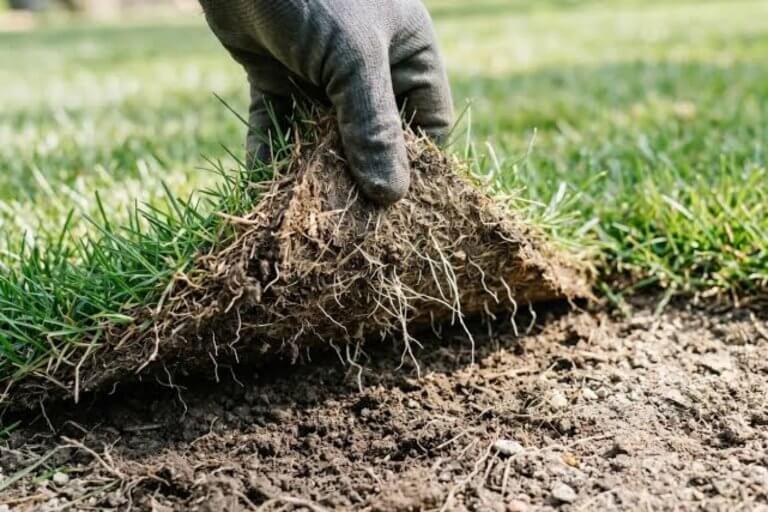
The lift test is the most reliable check a homeowner can do. Kneel at an edge or corner of a sod piece, grip it, and pull gently upward. Rooted sod pushes back. With sod not rooting, the piece lifts cleanly with almost no resistance, like a welcome mat resting on the ground.
Do not test only one spot. Check five to seven places across the lawn, including edges, areas near fences and walls, low spots, and the zones farthest from each sprinkler head. Rooting is often uneven, and the pattern tells you more than any single result.
- Lifting only along edges and seams usually means the borders are drying out faster than the middle, which points to irrigation coverage.
- Lifting in one zone or one corner often traces back to a blocked or misaimed sprinkler head, or to a drainage problem in that spot.
- Lifting in the shape of pallets or squares can point to heat damage that happened before the sod was ever laid.
- Lifting everywhere suggests a problem with soil preparation, a pest issue, or a watering schedule that does not match the weather.
Days 1 to 3: Where Sod Not Rooting Starts
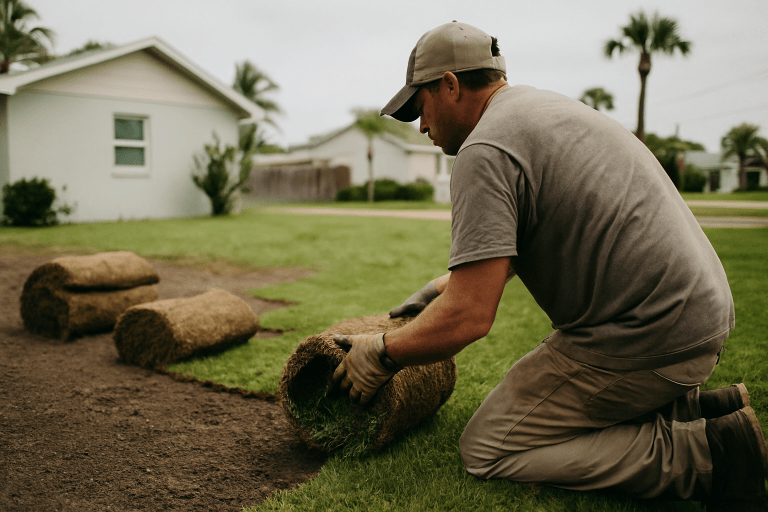
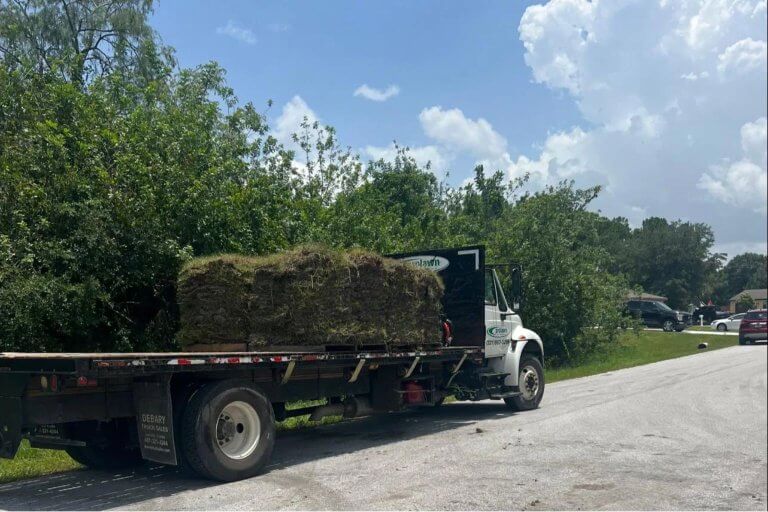
On the first day, healthy sod lies flat with tight seams and sits on soil that feels damp. Sod is a perishable product, so it should go down as soon as it arrives. The University of Florida notes that on a hot summer day, sod left on pallets lasts less than 48 hours, and a pallet that is warm at the center was probably stressed before it touched the ground.
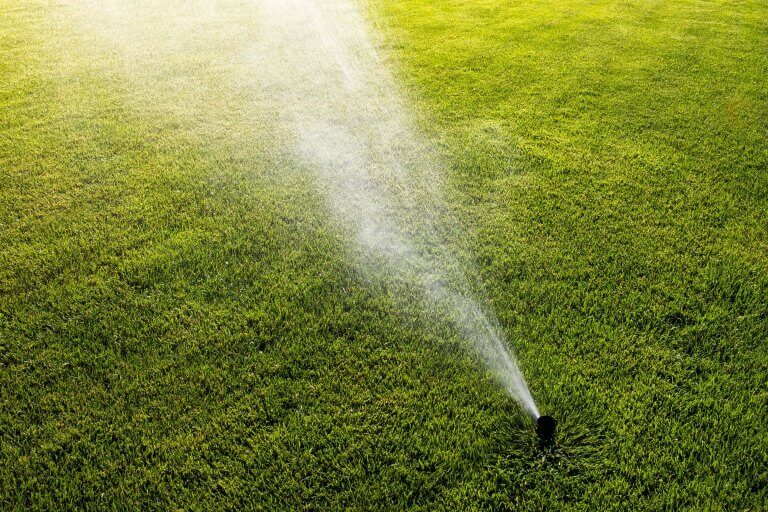
Start watering right away. The University of Florida recommends several short irrigations through the day, about five to ten minutes each, for roughly the first seven to ten days. The goal is moist but never soggy sod and soil. Curling edges, gray green color in the afternoon, or gaps opening between pieces mean the lawn wants water sooner than your schedule is giving it.
Days 4 to 10: The Window When Sod Not Rooting Is Easiest to Fix
This is the stretch where small problems are cheapest to solve. Walk the lawn every morning and again in the afternoon, and press a finger into a seam to feel the soil underneath. It should feel damp. If it feels dusty or warm and dry, that zone is not getting enough water.
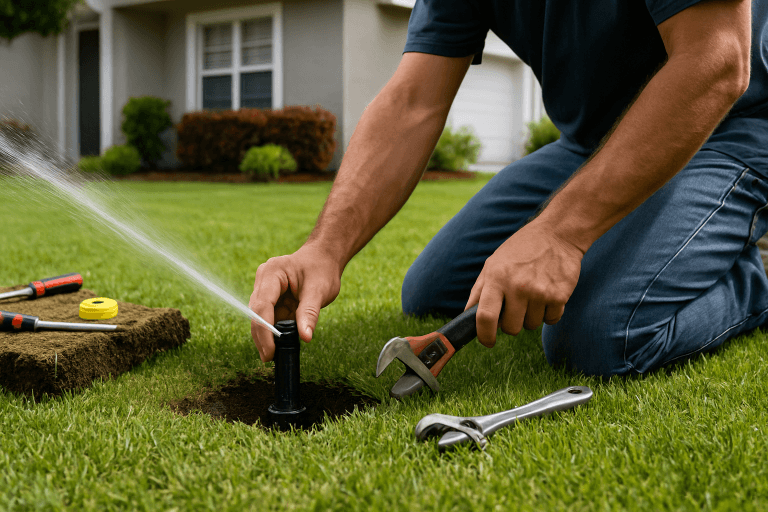
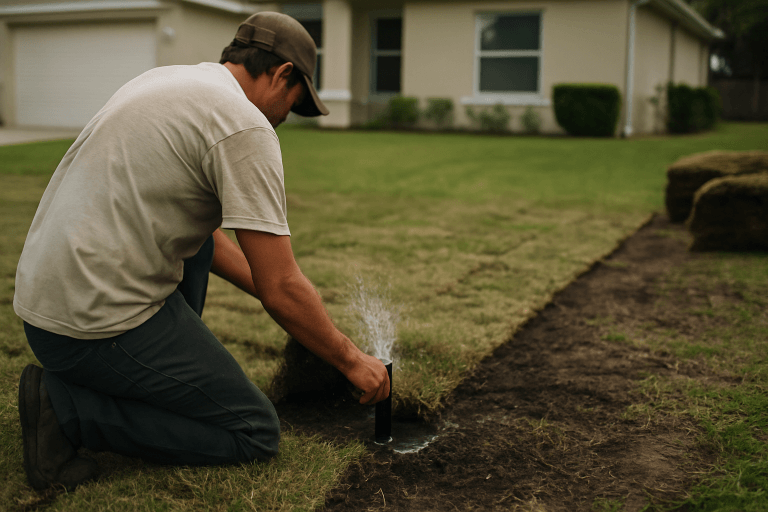
Set out a few empty cups across the lawn and run a cycle. Uneven amounts show where heads are blocked or misaimed. Hand water dry zones until the system is repaired. Our sprinkler system repair team can fix them, and our post on a sprinkler zone not working in Florida heat explains how to spot a failing zone early.
Keep foot traffic off the lawn. Even light walking compresses sod against soil before roots have anchored. Mark the edges with stakes and rope so pets and kids stay clear.
Days 11 to 14: Your First Real Lift Test
Around the two week mark, do the lift test across the grid of spots you chose. Some resistance means roots are starting to grip. Total looseness is sod not rooting, and it is time to look beyond watering.
The University of Florida schedule moves to one watering a day, using about a quarter to a half inch, for the next seven to ten days. Treat that as a baseline. If the lift test still shows loose sod, let the results decide, not the calendar, and do not cut back on moisture until the sod holds. At the same time, start checking the causes under the sod, which the next sections cover.
Days 15 to 21: Deciding What to Do About Sod Not Rooting
By three weeks, most of a healthy lawn should resist the lift test, and the University of Florida schedule has you watering a few times a week at a quarter to a half inch. Small loose patches can usually be rescued with better coverage and patience. When sizable areas still lift easily, watering alone rarely fixes it, because something under the sod is blocking roots.
What Causes Sod Not Rooting Under the Surface
Soil Preparation
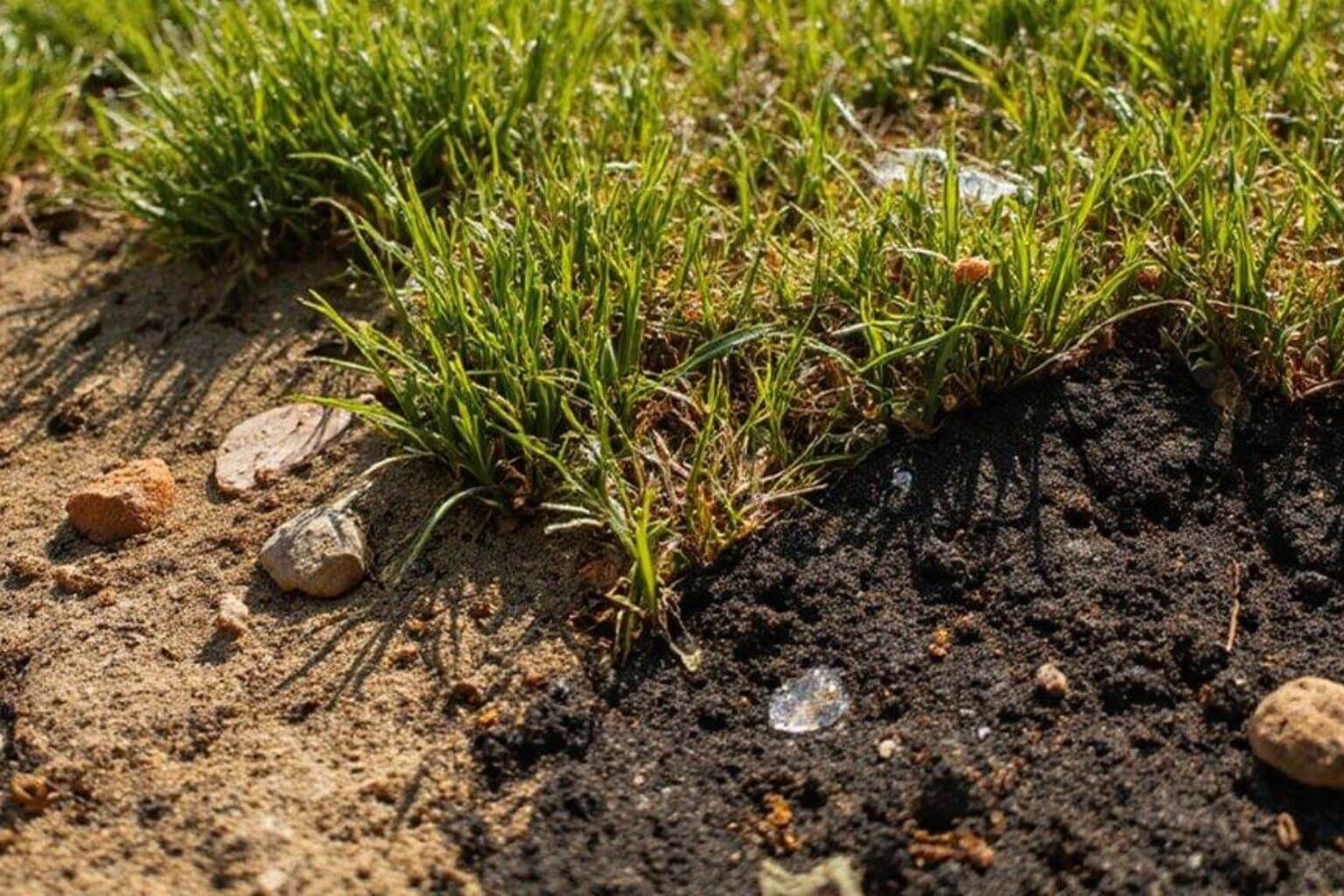
Poor preparation is a leading cause of sod not rooting. The University of Florida advises tilling and raking the area smooth, then moistening the soil before laying sod and tamping or rolling the finished lawn to remove air pockets. Roots cannot bridge a void, so leftover debris, old root material, or a hollow spot beneath a piece can keep it from anchoring. Compacted ground is another culprit, especially where old turf was removed from a high traffic area.
Drainage and Grade
Low spots that hold water after rain or irrigation are common on flat Brevard lots. Saturated soil pushes out the oxygen roots need, so sod in a puddle can end up as sod not rooting even while the rest of the lawn does well. If a zone stays wet long after a cycle, adjust the grade or the schedule for that area.
Pests
Chinch bugs are a known pest of St. Augustine grass, and their damage can look just like sod not rooting. Pull back a small section of affected turf and look at the soil surface and the base of the blades. If you find insects or chewed material, deal with the pests first. Our lawn pest control team can identify and treat what is attacking the turf.
The Wrong Grass for the Site
Heavy shade, salt exposure near the lagoon, and wet low areas can make a grass struggle no matter how well you water. Our guide to choosing sod types in Palm Bay compares the main options for local conditions.
Watering a New Lawn Under Brevard Rules
The day by day schedule above is only part of the picture, because local rules add a layer. The St. Johns River Water Management District sets landscape irrigation days and hours, and its watering restrictions include an allowance for new landscape. Under the district’s rule, watering is allowed at any time of day on any day for the first 30 days, then every other day for the next 30 days, limited to the minimum amount needed for establishment. That allowance exists so new plantings can survive, not so a yard can be flooded, and district orders can change during a water shortage. Confirm how it applies to your sod and your address with the district, because outside the allowance the general rules limit watering days and block midday watering from 10 a.m. to 4 p.m.
Whatever the rules, coverage is the biggest fix for sod not rooting. A system with gaps starves some zones and drowns others. Our irrigation system repair service fixes heads, valves, and lines,