How to Shorten Sod Rooting Time in Florida With 5 Easy Steps
Sod rooting time is the question every Brevard County homeowner asks about a week after the pallets are gone. The lawn looks finished on day one, so it is hard to believe the real work is happening out of sight, in the sandy soil under the seams. The short answer is that new sod is anchored enough to resist a gentle tug in about two weeks and is fully established in three to four weeks, and the exact timing depends on the grass, the season, and the water it gets.
Prolawn Turf and Landscape has installed sod across the Space Coast for over 25 years, from Titusville down through Palm Bay. This guide explains what sod rooting time looks like for the grasses we install, what speeds it up or slows it down, and how to check your own lawn for free.
Key Takeaways
- UF/IFAS says St. Augustinegrass sod should be fully established three to four weeks after installation, and many Brevard installs show first real resistance around days 10 to 14.
- Sod rooting time changes with grass type: zoysia generally establishes more slowly than St. Augustine.
- Season matters. UF/IFAS advises against establishing in cold winters or hot, dry summers in central Florida.
- Fresh sod and a steady watering routine do more for sod rooting time than any product you can buy.
- A free tug test tells you when the roots have pegged down, which is also the signal for the first mow.
Sod Rooting Time Has Two Finish Lines
When people ask how long sod takes to root, they usually mean one of two things. The first is anchoring, the point where the sod stops lifting when you pull at an edge. The second is establishment, the point where the lawn can be treated like a mature one. Sod rooting time looks different for each.
On the anchoring side, UF/IFAS describes the mowing signal as the sod being pegged down, meaning it no longer lifts when you pull at the edges, and its St. Augustinegrass guide puts that at generally 14 to 21 days after planting. In our own Brevard installs, the first real resistance often shows up around days 10 to 14 when watering has been on track. On the establishment side, UF/IFAS says St. Augustinegrass should be fully established three to four weeks after sodding. Treat those numbers as a typical window rather than a deadline, because a hot week, a missed zone, or old sod can move them. If your lawn is lagging, our post on sod not rooting and how to fix weak roots covers the troubleshooting side in detail.
Sod Rooting Time by Grass Type in Brevard County
Prolawn installs St. Augustine, Zoysia, Bermuda, Bahia, and Floratam, so it helps to know how the main choices compare. The numbers below come from UF/IFAS where a source exists, and where one does not, we say so instead of guessing.
St. Augustine and Floratam
Floratam is a St. Augustinegrass variety, so the UF/IFAS timeline applies: full establishment three to four weeks after sodding when the watering schedule is followed. St. Augustine is the grass most Brevard homeowners picture when they think of a Florida lawn, and it generally settles in faster than zoysia. If you are still choosing a grass, our guide on how to choose sod types in Palm Bay compares the options for local conditions.
Zoysia
UF/IFAS says zoysiagrass establishes slowly compared with St. Augustinegrass. For sod, it recommends watering at least twice daily with about one quarter inch of water until new roots hold the sod, which it says usually takes two to three weeks, and then reducing watering as needed. Zoysia rewards patience, but the first three weeks are the stretch where a sod rooting time plan matters most.
Bahia and Bermuda
UF/IFAS rates bahiagrass, bermudagrass, and zoysiagrass as excellent for drought tolerance and St. Augustinegrass as good, and it notes that the rating reflects survival during long dry periods, not a lower need for irrigation. That is an important point for new sod, because even a drought tough grass has no deep roots on day one. UF/IFAS does not publish a separate rooting timeline for bahia or bermuda sod, so we will not invent one. Ask your installer for an estimate that fits your grass, your site, and the season.
What Changes Sod Rooting Time in Central Florida
Two lawns installed the same week can root at very different speeds. These are the factors that move sod rooting time most.
The Season You Install
UF/IFAS advises planting St. Augustinegrass during active growth and avoiding temperature extremes. For central and north Florida, it says to avoid establishing during cold winters or hot, dry summers. For a Brevard homeowner, that points toward the stretches in between, but your installer should confirm what the forecast and your site call for. A hypothetical example: a yard sodded during a cold snap in winter will probably root more slowly than the same yard sodded in a mild stretch, simply because the grass is not growing as actively.
How Fresh the Sod Is
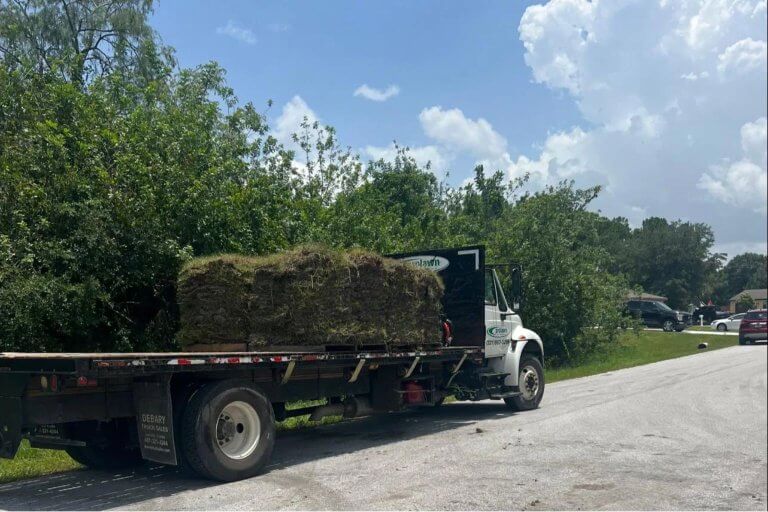
UF/IFAS says sod should be planted as quickly as possible after delivery, and notes that sod life on pallets during summer is less than 48 hours. Old, stressed sod starts its sod rooting time already behind. That is why Prolawn coordinates timing for sod delivery and sod installation so the rolls go from the truck to the ground quickly. Both services have a minimum order of two pallets.
Sandy Soil and Irrigation Coverage
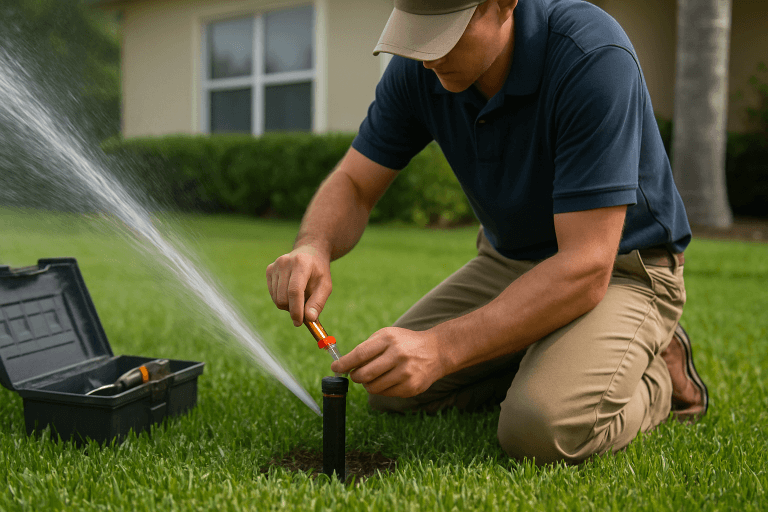
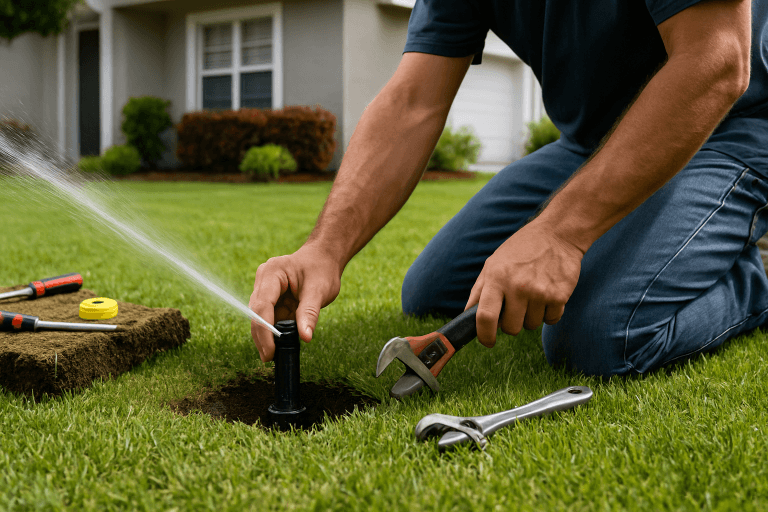
Much of Brevard County has sandy, fast draining soil, and in our experience the top layer can dry out within hours after a sprinkler cycle. New roots cannot reach a deep reservoir yet, so every zone has to deliver water to every corner. A single broken head or misaimed rotor can leave a dry patch that never anchors, and it can look fine from the driveway until the sod curls. Our post on a sprinkler zone not working in Florida heat explains why that early warning matters, and our sprinkler system repair team can fix a problem zone before the sod goes down.
A Watering Rhythm That Supports Sod Rooting Time
The watering plan is the part of sod rooting time you control every day. UF/IFAS gives this progression for new sod in its guide to establishing your Florida lawn.
- The first 7 to 10 days: several short irrigations of 5 to 10 minutes each through the day.
- The next 7 to 10 days: once a day, applying about one quarter to one half inch of water.
- After that: two to three times per week, again one quarter to one half inch.
Count rainfall toward those amounts, and adjust based on what the sod is telling you instead of the calendar. Watering rules are also a factor in Brevard. The St. Johns River Water Management District describes a provision for new landscape that allows irrigation at any time of day on any day for the first 30 days and every other day for the next 30, limited to the minimum needed for establishment. Check the district’s watering restrictions page or your city for the rules that apply to your address, since local rules can differ.
A sprinkler system that has not been checked is a frequent reason a good plan fails. Our five signs your sprinkler system needs repair is a quick checklist to run before installation day.
Five Ways to Shorten Sod Rooting Time
You cannot rush biology, but you can remove the things that slow it down. These steps protect your sod rooting time from the start.
- Schedule installation when the sod can go down quickly after harvest, since UF/IFAS stresses planting as soon as possible after delivery.
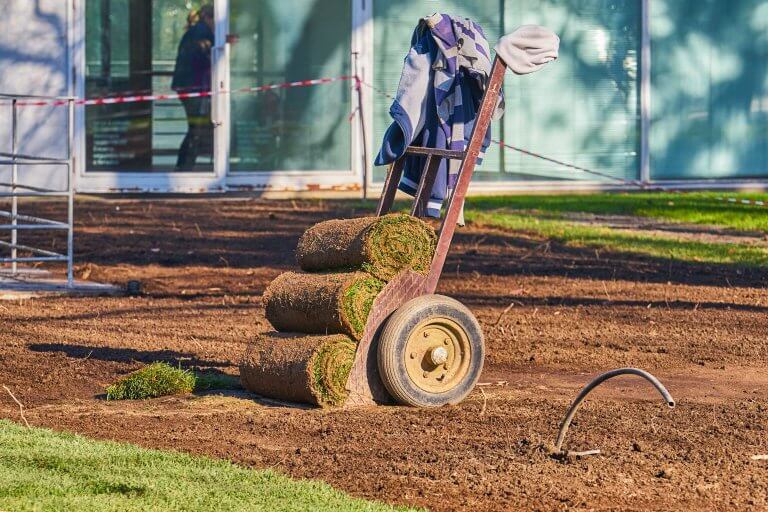
- Lay sod on bare, moist soil in a staggered, brick like pattern with tight edges, then roll it and water thoroughly, as UF/IFAS recommends.
- Test every irrigation zone for coverage and head alignment before the pallets arrive, and repair anything that is off.
- Keep foot traffic, pets, and equipment off the sod until it pegs down.
- Hold off on fertilizer. UF/IFAS recommends waiting 30 to 60 days after planting for St. Augustinegrass, and most sod is already fertilized before harvest.
If your lawn also needs a regular maintenance plan after it roots, take a look at our lawn service page.
How to Test Sod Rooting Time for Free
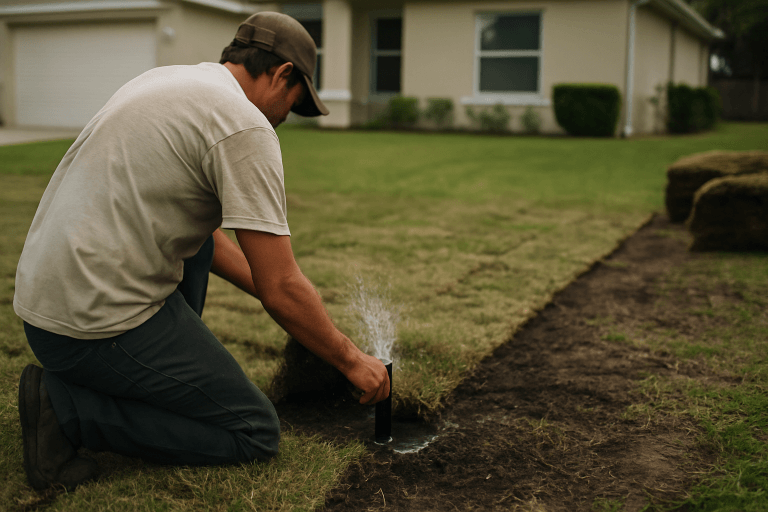
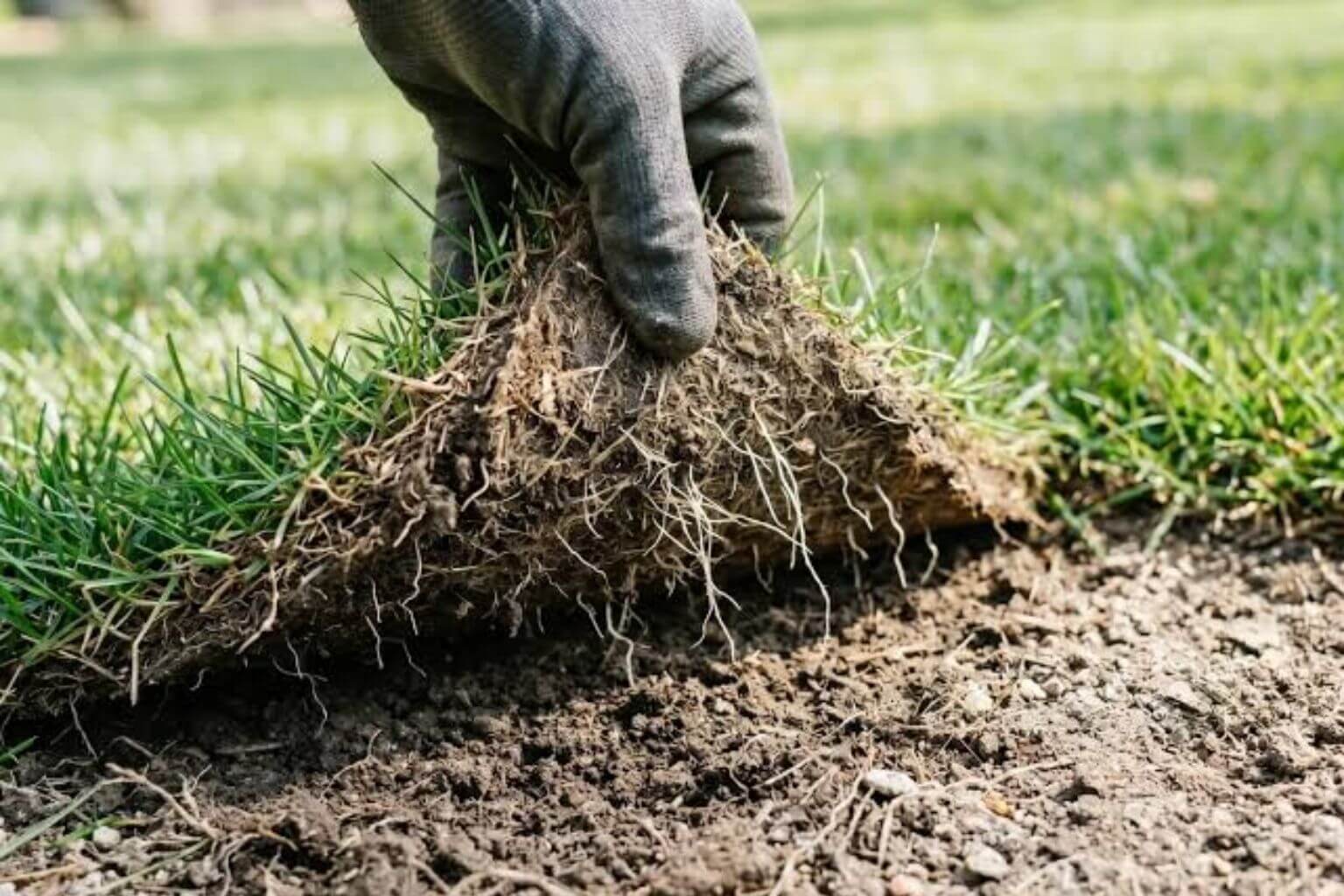
You do not need tools to measure sod rooting time. Grab a corner or an edge of a piece of sod and pull up gently. If it lifts easily, the roots have not anchored yet. If it resists and stays down, the sod is pegging into the soil below, which is also the UF/IFAS signal that mowing can begin.
Test several spots across the lawn, not just the one next to the sprinkler head, because uneven rooting often points to uneven watering. Repeat the check every few days instead of every hour. Pulling too often can disturb the very roots you are trying to protect.
If the tug test shows no improvement as the weeks pass, do not wait for the sod to brown. Look at the watering first, then read our guide to fixing sod that is not rooting, or call us for a diagnosis. We have been diagnosing sod that struggles to establish across Brevard County for over 25 years.
What the First Month Looks Like
Here is a simple way to picture sod rooting time for a typical St. Augustine lawn, based on the UF/IFAS watering schedule and our own installs. It is a guide, not a promise.
- Week one: the sod is living off the moisture in its mat, so frequent short watering and no traffic.
- Week two: many installs begin to show first resistance in the tug test around days 10 to 14.
- Week three: watering shifts to once a day, and the sod may be close to pegged down.
- Week four: the lawn should be approaching full establishment, and a regular schedule can begin.
Zoysia and other grasses can run longer, and cold weather or irrigation trouble can stretch any of these stages.
Budget and Planning Around Sod Rooting Time
A longer sod rooting time costs money in water, in repairs, and in weeks of a lawn you cannot use. That is why the planning decisions made before installation matter so much. Our guide on avoiding costly sod installation mistakes walks through the choices that affect both price and results. If your property has no sprinkler system yet, irrigation system installation can be planned alongside the sod, so the first watering cycle runs on a system that was built for the lawn.
Sod Rooting Time FAQ
How long does sod take to root in Florida?
UF/IFAS says St. Augustinegrass sod should be fully established three to four weeks after installation, and it should peg down well before that. Zoysia generally takes longer, and season and watering can change the timeline for any grass.
When can I mow new sod?
Start when the roots have pegged down, which means the sod no longer lifts when you pull at the edges. UF/IFAS generally puts that at 14 to 21 days after planting for St. Augustinegrass. Remove no more than a small portion of the blade height on early cuts.
When can I fertilize new sod?
UF/IFAS recommends waiting at least 30 days, and up to 60 days for St. Augustinegrass, so roots can establish first. Most sod is already fertilized before harvest.
How often should I water new sod in Brevard County?
Follow the UF/IFAS progression above: several short cycles for the first 7 to 10 days, once daily for the next 7 to 10 days, then two to three times per week. Confirm your local watering rules with the St. Johns River Water Management District or your city.
Can I walk on sod while it roots?
Keep traffic to a minimum until the sod pegs down. UF/IFAS notes that zoysia sod is not yet safe for play or traffic until the roots develop, and the same caution is wise for any new sod.
Plan Your Sod Rooting Time With Prolawn
If you are planning a new lawn, the best way to protect your sod rooting time is to line up fresh sod, a working irrigation system, and a clear watering plan before the first roll goes down. Prolawn Turf and Landscape serves Cocoa, Melbourne, Rockledge, Merritt Island, Titusville, Viera, Palm Bay, and the beaches across Brevard County. You can see our service areas and browse the project gallery for finished lawns.
Call us at +1 321-427-0676 or request a free quote online, and we will help you pick the right grass, the right timing, and an irrigation setup that gives your new lawn the best start.