South Patrick Shores Landscaping Guide: What Works (and What Doesn’t) in This Unique Coastal Microclimate
Most landscaping projects in South Patrick Shores fail within two years. Not because of poor workmanship, but because contractors treat this barrier island community the same way they’d treat a yard in Viera or Palm Bay. They install the wrong sod, skip corrosion-resistant irrigation components, and plant shrubs that look healthy in the nursery but collapse under the first season of salt-laden Atlantic wind. After more than 25 years of working across Brevard County, including dozens of projects within a few blocks of Patrick Space Force Base, the Prolawn team has learned exactly what this microclimate demands and what it will destroy without warning.
This guide gives South Patrick Shores homeowners a straight answer on plant selection, irrigation design, hardscaping materials, and drainage, based on real project outcomes in your specific neighborhood, not generic Florida landscaping advice recycled from a national blog.
Understanding the South Patrick Shores Coastal Microclimate
South Patrick Shores sits on a narrow barrier island flanked by the Atlantic Ocean to the east and the Banana River Lagoon to the west. That dual waterway exposure creates conditions you simply don’t find five miles inland. Salt spray doesn’t just blow in from the ocean. On windy days, you get a crosswind effect where Atlantic salt air meets lagoon humidity, and the combination saturates plant tissue, corrodes metal fixtures, and crusts on leaf surfaces in ways that block photosynthesis over time.
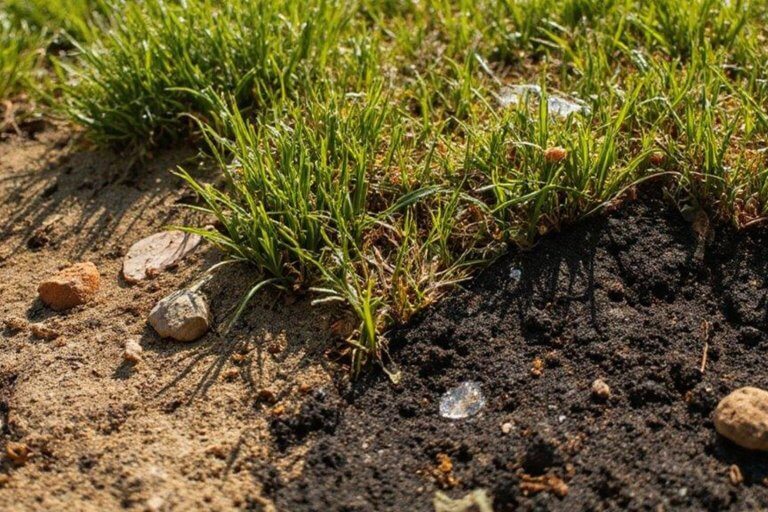
The soil profile compounds the problem. Underlying most South Patrick Shores lots is fine, low-organic coastal sand with a pH that often runs slightly alkaline. The University of Florida IFAS Extension has documented extensively how sandy coastal soils drain too fast for many ornamentals, leach nutrients before roots can absorb them, and offer almost no water retention during summer dry spells between afternoon storms. Inland Brevard homeowners deal with sandy soil too, but they don’t also contend with salt spray, flood-zone drainage requirements, and the wind-load stress that comes with oceanfront exposure.
Storm surge is a real design constraint here. FEMA flood maps place much of South Patrick Shores in Zone AE or Zone X, depending on exact parcel location. Any hardscaping or grading decision needs to account for water movement during a named storm. Ignored drainage is the single fastest way to lose a landscape investment on this island.
Plants and Sod That Thrive Near the Coast (And What to Avoid)
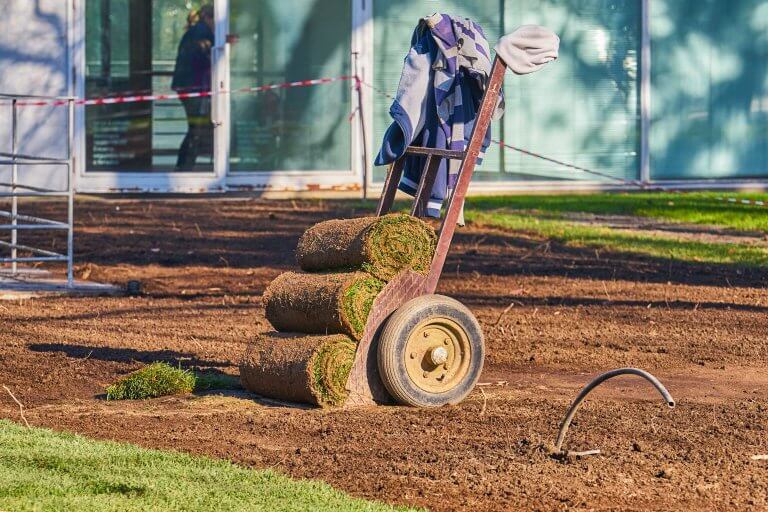
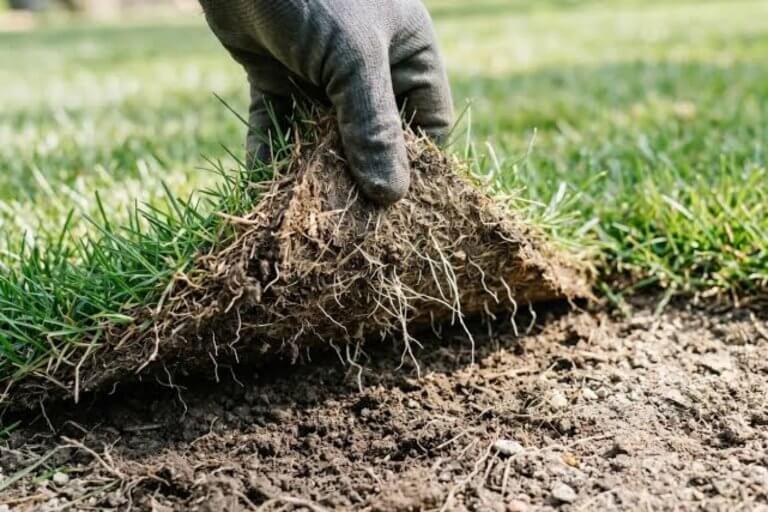
St. Augustine grass, specifically the Floratam variety, is the default sod choice across Brevard County. In South Patrick Shores, it performs reasonably well on lots that sit back from the immediate beachfront, but it struggles with salt spray exposure above moderate levels. On properties within a few hundred feet of the Atlantic, we’ve consistently seen Floratam thin out and develop chlorotic patches by year three, even with adequate irrigation.
Zoysia, particularly the Empire variety, holds up better under salt stress and has a tighter growth habit that resists wind desiccation. It’s slower to establish, which means a higher risk window after professional sod installation in the Satellite Beach area, but the long-term results on coastal lots justify the patience. Bahia is sometimes recommended as a low-maintenance coastal option, but its open canopy lets weeds push through quickly, and it rarely meets the appearance standards most South Patrick Shores HOAs expect.
Salt-tolerant ornamentals that perform well in South Patrick Shores:
- Saw palmetto (native, wind-resistant, requires zero supplemental irrigation once established)
- Coontie (native cycad, thrives in sandy soil, HOA-friendly appearance)
- Beach sunflower (Helianthus debilis, spreads as a groundcover, survives salt spray)
- Walter’s viburnum (dense screening shrub, moderate salt tolerance, works near lagoon-facing fences)
- Simpson’s stopper (small native tree with white flowers, extremely salt-tolerant)
- Muhly grass (ornamental grass, outstanding wind movement, low water demand)
Plants to avoid planting within 300 feet of the ocean:
- Crape myrtles (salt sensitivity causes early leaf drop and bark damage)
- Podocarpus hedges (frequently used for privacy screening but burn badly in salt air)
- Chinese fan palms (not native, wind susceptible, poor performers on exposed coastal lots)
- Liriope as a mass groundcover (looks fine for one season, declines sharply under salt stress)
Native plant selection isn’t just an environmental preference here. It’s a practical strategy. Plants that evolved along Florida’s Atlantic coast don’t need to be trained to tolerate conditions that would stress an ornamental bred for a Carolina nursery. The Florida Native Plant Society and IFAS both publish coastal-specific planting guides worth reviewing before finalizing any plant list.
Irrigation Challenges and Smart Solutions for Salt-Air Environments
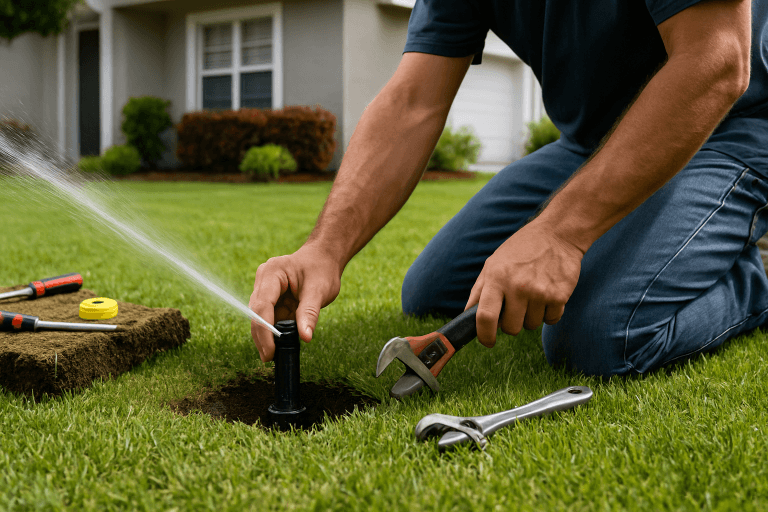
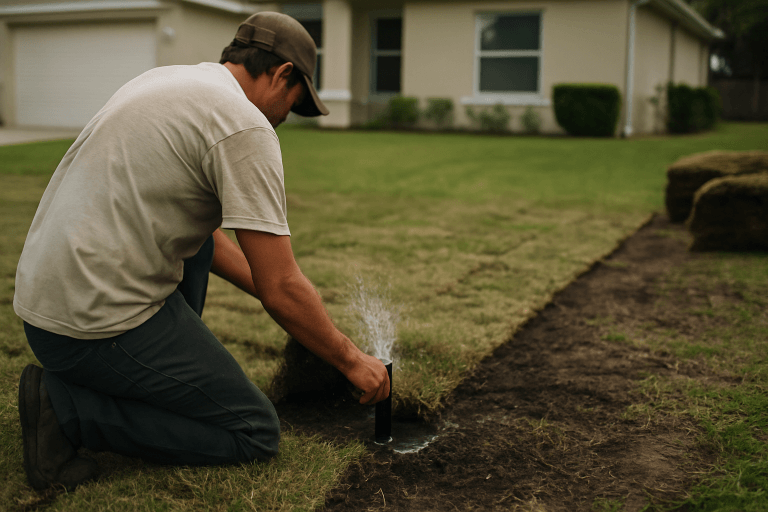
Standard residential irrigation components corrode faster in coastal environments than manufacturers’ ratings suggest. Salt air accelerates oxidation on exposed metal fittings, solenoid housings, and valve bodies. On South Patrick Shores properties, we specify brass or high-grade polymer valve bodies, not the standard economy-grade components that work fine three miles inland in Rockledge or Merritt Island.
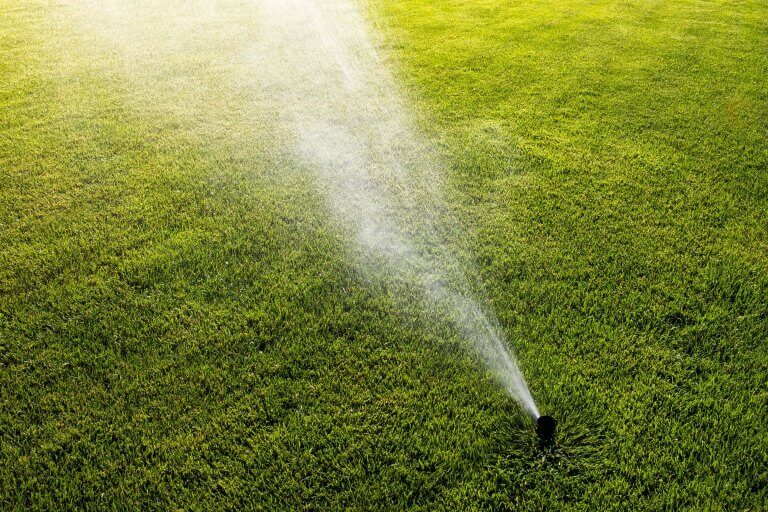
Head placement is the second issue. Sandy coastal soil drains so quickly that a standard irrigation schedule designed for 30-minute zone run times often leaves the top two inches hydrated while the root zone stays dry. Rotor heads with matched precipitation rates, placed to eliminate dry spots without over-saturating the surface, outperform older fixed-spray systems on these lots. A properly designed sprinkler system with a rain sensor and an ET-based smart controller can cut water use by 20 to 30 percent compared to a timer-only setup, which matters both for your water bill and for Brevard County’s water restrictions during drought conditions.
One mistake we see repeatedly: irrigation systems installed without backflow preventers rated for coastal conditions. Brevard County code requires backflow prevention, but the grade of the device matters in salt-air environments. Inspectors pass the minimum code-compliant option; salt air corrodes it within three seasons. Specifying a higher-grade device upfront costs less than a service call and replacement two years later.
If your current system is showing signs of corrosion, inconsistent coverage, or pressure problems, Prolawn’s team handles irrigation installation and repair across the Satellite Beach and South Patrick Shores area. A system audit takes about an hour and usually identifies two or three issues the homeowner didn’t know existed.
Hardscaping and Drainage: Building Landscapes That Survive Storm Season
Hardscaping on a barrier island has to earn its place. Every square foot of impervious surface, concrete, pavers, or stone, affects how water moves across your lot during a heavy rain event. In South Patrick Shores, where the water table sits close to the surface and the soil’s drainage capacity is already high, poor grading decisions can push runoff toward the foundation or pond in low areas that become mosquito habitat within 48 hours of a storm.
Permeable pavers are the right call for driveways and patios on most South Patrick Shores lots. They allow water to infiltrate rather than sheet-flow, reduce heat island effect on a barrier island that already runs hot in July, and hold up under the freeze-thaw cycles we occasionally see in January. Concrete pavers with chamfered edges also resist the salt-air surface spalling that flat, unsealed concrete develops over time.
For drainage design specifically, a French drain system or a shallow swale routed toward the street right-of-way is typically the most straightforward solution on residential lots. What doesn’t work: adding fill to raise a low area without accounting for where the displaced water goes. We’ve corrected several projects in this neighborhood where a previous contractor raised a planting bed and inadvertently redirected runoff toward a neighbor’s fence line.
Our landscape design services include site drainage assessment before any hardscaping work begins. Getting the grade right before the first paver is set saves significant rework cost. Prolawn is licensed and insured for all hardscaping work in Brevard County, and every project includes a documented plan that satisfies permitting requirements where applicable.
Regarding permits: most South Patrick Shores hardscaping projects require a Brevard County building permit if the work affects impervious surface coverage or involves structural elements like retaining walls over a certain height. The Brevard County Building Department sets these thresholds, and they change periodically. Always confirm current requirements with the county before breaking ground.
Why Local Expertise Matters: Prolawn’s Approach to Coastal Brevard Landscaping
A national marketplace that routes your zip code to the lowest bidder cannot tell you that the corner lot on a particular South Patrick Shores street floods after every major storm because of an undersized culvert at the intersection. Prolawn can, because our crews have worked in this neighborhood for over two decades.
That kind of knowledge shows up in project outcomes. When we specify irrigation components for a coastal property, we’re not pulling from a standard parts list. When we select sod for a lot that faces the lagoon on one side and an HOA common area on the other, we’re making a call based on how that specific microexposure behaves across seasons, not what sold well last month at a supply house.
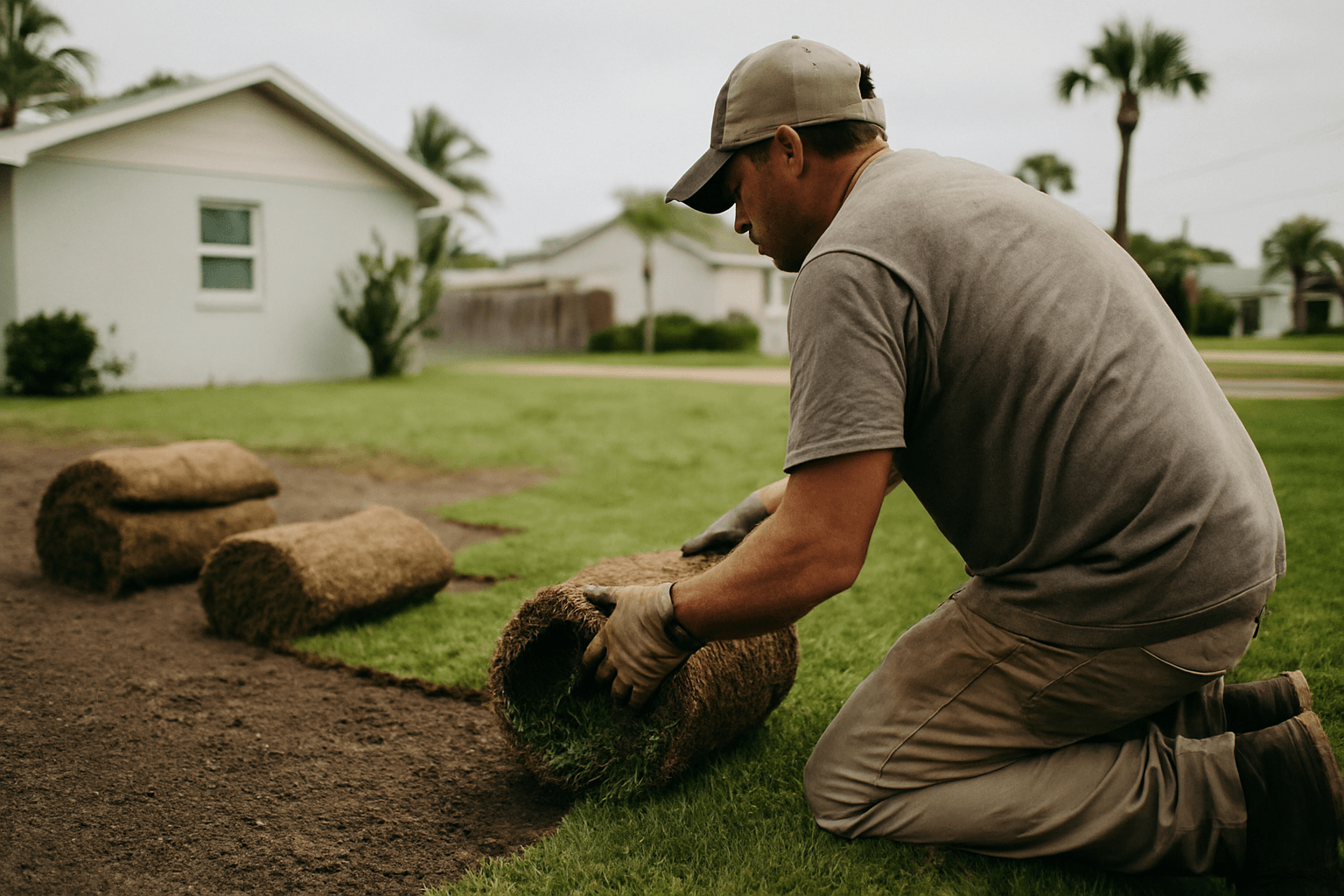
Our full landscaping services for the South Patrick Shores and coastal Brevard area include sod installation, irrigation system design and repair, hardscaping, tree and shrub care, and commercial landscape maintenance. Every project is handled by licensed, insured crews who understand that the coastal environment here requires different decisions than inland Brevard County jobs.
If you’re a new resident near Patrick Space Force Base trying to establish a yard quickly before summer, or a long-term homeowner who has watched previous plantings fail without knowing exactly why, the starting point is a site assessment that accounts for your specific lot’s exposure, soil, and drainage characteristics. That’s how we build landscapes in South Patrick Shores that last.
Schedule your free coastal landscaping consultation with Prolawn today. Call us at +1 321-427-0676 or request a quote online and let’s talk through what your property actually needs.
Frequently Asked Questions
What grass grows best in South Patrick Shores FL’s coastal soil?
Empire Zoysia performs best on properties with direct salt spray exposure, while Floratam St. Augustine works well on lots set back from the immediate beachfront. Both require proper soil preparation given South Patrick Shores’ sandy, low-organic substrate. Bahia is low-maintenance but too open in canopy for most HOA standards in this neighborhood. A site assessment before sod installation helps match the grass variety to your specific lot’s exposure level.
How does salt air affect irrigation systems in South Patrick Shores?
Salt air corrodes standard metal valve bodies, solenoid housings, and fittings significantly faster than inland environments. Coastal irrigation systems in South Patrick Shores should specify brass or high-grade polymer components, corrosion-resistant backflow preventers, and rotor heads with matched precipitation rates. A system installed with economy-grade parts typically requires major component replacement within three to four years in this environment.
Do I need special permits for landscaping in South Patrick Shores FL?
Most planting and sod work does not require a permit, but hardscaping projects that affect impervious surface coverage or include structural elements like retaining walls may require a Brevard County building permit. South Patrick Shores sits within Brevard County jurisdiction, and the county Building Department sets current thresholds. Always confirm requirements before starting any project that changes drainage patterns or adds permanent structures to your lot.
How often should I water my lawn in a coastal Florida environment?
Most Brevard County lawns need two to three irrigation cycles per week during the dry season (October through May) and can often rely on natural rainfall during the summer wet season. Sandy coastal soils drain faster than inland soils, so shorter, more frequent cycles outperform long single-zone runs. A smart controller with an ET (evapotranspiration) sensor adjusts automatically based on actual weather conditions and reduces water use by 20 to 30 percent compared to a fixed timer schedule.
What trees and shrubs can survive hurricane-season winds near the beach?
Native species are the most reliable choices. Saw palmetto, Simpson’s stopper, Walter’s viburnum, and sea grape all have strong wind and salt tolerance. For canopy trees, live oak is the gold standard for wind resistance in coastal Florida and is documented by the University of Florida IFAS as one of the highest-rated species for hurricane survivability. Avoid non-native palms and any tree with a shallow, wide root plate in sandy soil, as these topple under storm-force winds more readily than deep-rooted native species.